Candidates pursuing a Certificate of Proficiency in Visible Thinking or a Certificate of Proficiency in Cultures of Thinking will engage in a variety of learning experiences that support an in-depth exploration and application of the pedagogical framework and instructional strategies central to either Visible Thinking or Cultures of Thinking. This work will involve both practical implementation in candidates’ contexts as well as individual and collaborative reflection.
Who should take the course:
Schedule:
The year-long learning experience launches in late January and concludes the following November.
Program components include:
1) Individual study, research, and reflection
Candidates will pursue an ongoing cycle of inquiry by:
- Designing and implementing interventions.
- Collecting data and documentation of classroom practice (“street data”).
- Reflecting on outcomes.
- Iterating and refining their approaches over time.
Candidates can expect to spend 30 hours over the course of the year-long program on activities related to their ongoing cycle of inquiry.
2) Four live (via Zoom) 75 minute seminars with the lead faculty member
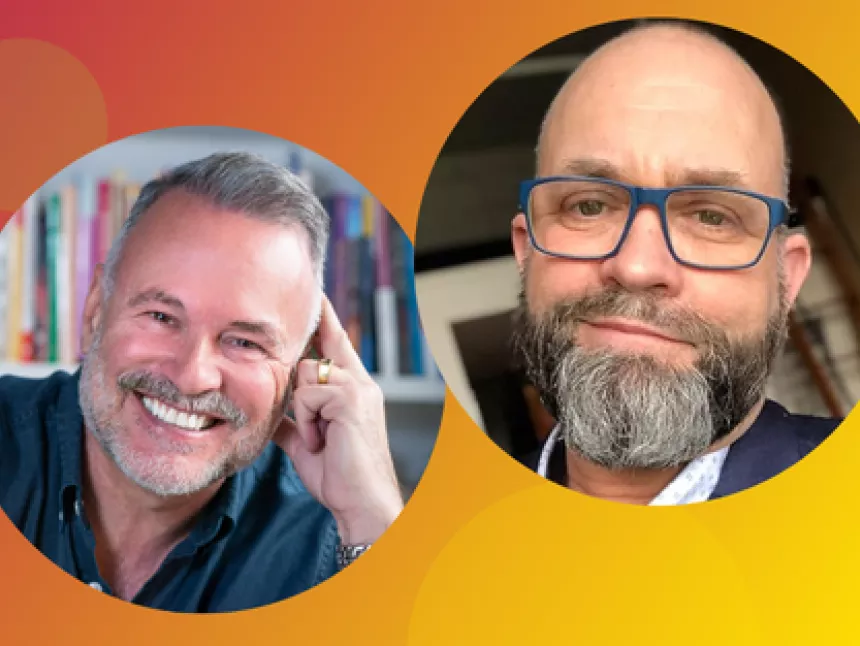
- Ron Ritchhart leads the seminars for the Cultures of Thinking certification program; Mark Church leads the seminars Visible Thinking certification program.
- Seminars will take place in February, May, September, and November.
- Seminars are designed to support deeper understanding of the frameworks as well as opportunities for raising and discussing questions with the lead faculty member.
- Preparation for seminars consists of completing short reading assignments and submitting written reflections via the certification program Canvas site by the designated due date.
Candidates can expect to spend approximately 9 hours total over the course of the year-long program on the four seminars and preparation for those seminars.
3) Three individual 30-minute coaching sessions
- Individual coaching sessions will be scheduled by you and your coach for the following time frames: one in March/April; one between June and August; one in October/November.
- Coaching sessions enable you and your coach to review the progress of your work and prepare for your culminating portfolio submission.
Candidates can expect to spend approximately 1.5 hours over the course of the year-long program on the three individual coaching sessions.
4) Six small teams meetings
- Candidates are assigned to teams consisting of three or four members.
- Teams meet twice a month via Zoom from February - May and August - October
- Team meetings last one hour and are scheduled by the team members themselves.
- Team meetings are facilitated by the team members themselves, using the formats and protocols provided by the lead faculty.
- Team members take turns serving as the Team Reporter, who submits a monthly summary of the team’s meetings via the online Canvas portal.
Candidates can expect to spend 6 hours over the course of the year-long program in team meetings, plus an additional 2 hours total over the course of the year to account for their occasional rotation as Team Reporter.
5) Individual submission of a culminating presentation that documents the candidate’s cycle of inquiry and their learning
- At the conclusion of their year-long cycle of inquiry, candidates synthesize and present their learning in a recorded digital presentation.
- This presentation captures the focusing question(s), key actions, evidence gathered, insights gained, and next steps.
- Initial drafts of each individual’s video presentation are due in October and will be shared within the cohort to promote dialogue and collective learning.
- Each candidate will provide constructive feedback to two or three of their colleagues’ draft culminating presentations.
- Final versions of the culminating video presentations are due in mid-November.
Candidates can expect to spend approximately 12 hours in total to prepare their own initial draft of their video presentations, provide feedback to 2 - 3 colleagues on their initial drafts, and revise and submit a final version of their own culminating video presentation.
Earning a Certificate of Proficiency
- Candidates’ culminating video presentation along with their participation throughout the year-long long program will be evaluated by the lead faculty and a team of coaches according to a rubric that will be made public at the beginning of the year-long program.
- Earning a Certificate of Proficiency is dependent on submitting work that meets the standards designated in the rubric. Simple completion of the requirements does not in itself guarantee that a Certificate of Proficiency will be earned: the standards of the rubric must be met, from the perspective of the lead faculty and the team of coaches who review the candidate’s work.
- Candidates who successfully meet the standards will earn a Certificate of Proficiency documenting 60 hours of professional learning.